April 17, 2026
The 1% of LinkedIn Who Actually Post - And What Happens When Small Businesses Join Them
Author
Most small business owners know they should be on LinkedIn.
They've heard it enough times. From coaches, from marketing people, from that one contact who seems to post every other day about mindset and Monday mornings.
And most of them do nothing.
Not because they're lazy. Not because they don't have anything to say. They've got plenty. They just don't think anyone's listening. They look at LinkedIn, see the polished posts, the big follower counts, the people who seem to have figured something out - and they quietly decide it's not for them.
Here's the thing though. Almost nobody's posting either.
Only 1% of LinkedIn's 1.3 billion members post content regularly. That 1% generates 9 billion impressions every week. The other 99% are watching.
Which means the field - the one most small business owners assume is crowded and competitive - is almost entirely empty.
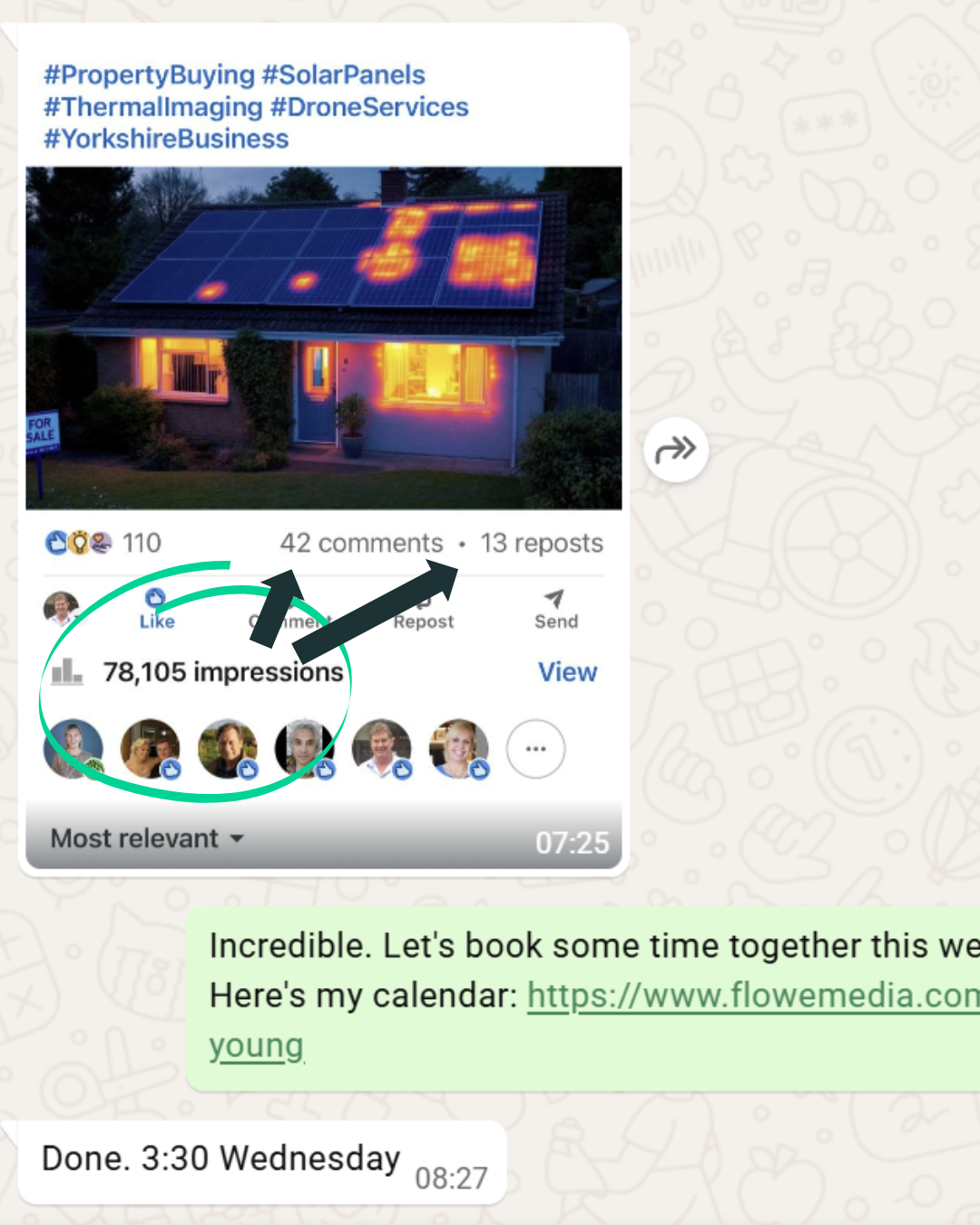
Richard didn't know any of this when he started.
He wasn't thinking about LinkedIn strategy. He wasn't thinking about impressions or reach or follower growth. He was just a business owner with real expertise and, for the first time, a proper way to express it.
One post. 78,105 impressions. 110 reactions. 42 comments. 13 reposts.

Not a fluke. Not a viral trick. Just someone showing up in a space where almost nobody else does, saying something genuinely worth reading.
That's what LinkedIn looks like when expertise meets expression. Most people never find out because they never show up long enough to see it.
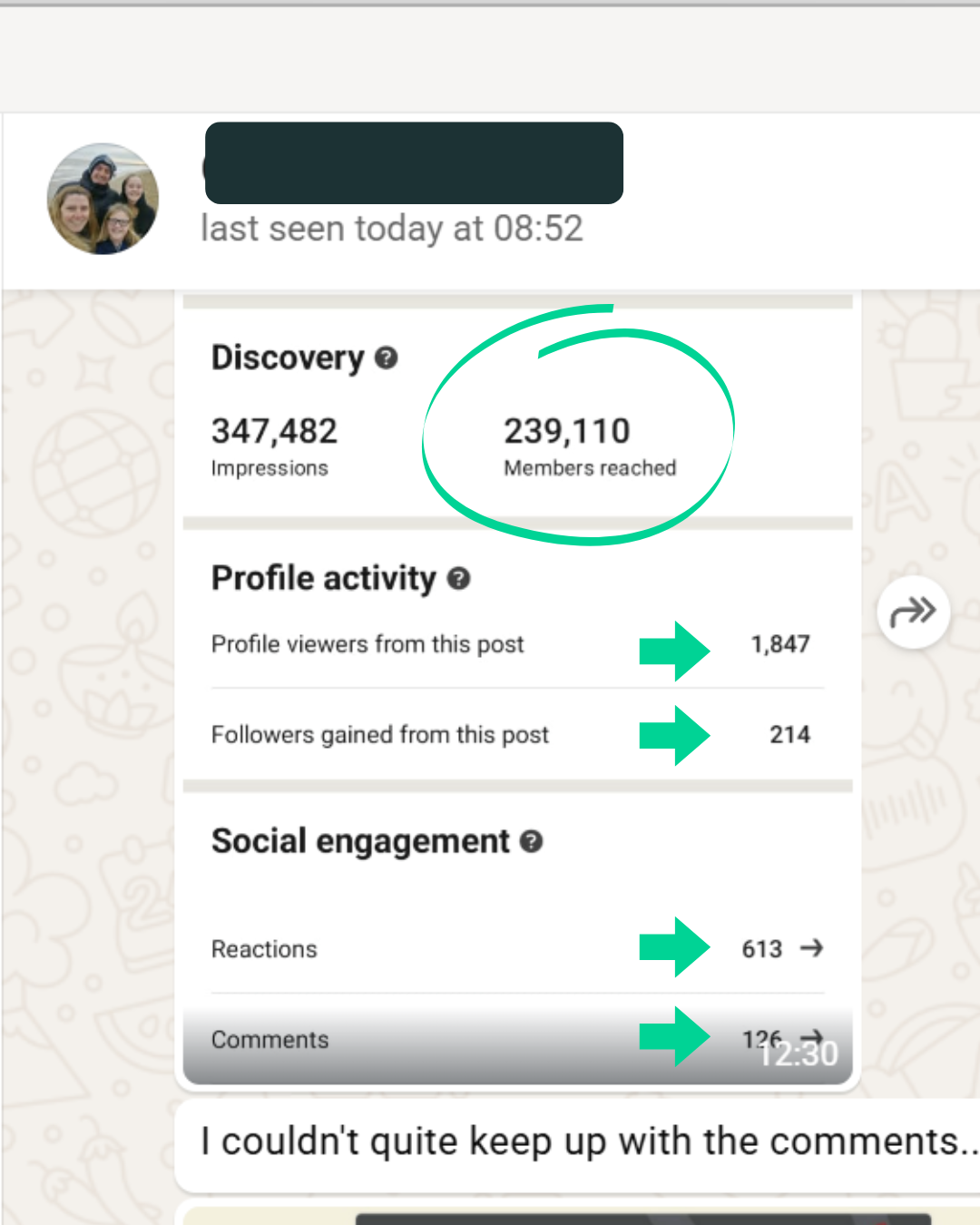
Catherine's story is a bit different. Well - the result was similar. The aftermath wasn't.
Her post reached 347,482 impressions. 239,110 people. 1,847 profile views. 214 new followers.
From one post.

And the next time she came back to use Decodefy, she asked if we could make the next one a bit less viral.
I've never had that request before. Still makes me smile.
But it tells you something important. Catherine wasn't trying to become a LinkedIn influencer. She wasn't chasing numbers. She was a business owner who wanted to be seen by the right people - and suddenly had rather more attention than she'd planned for.
That's a quality problem. And it's the kind of problem that only exists when the content is genuinely good. When it sounds like you. When it says something people actually want to read.
The reason most LinkedIn content fails isn't effort. It's expression.
Business owners who try LinkedIn usually fall into one of two traps.
The first is generic AI content. They throw a prompt into ChatGPT, get something technically correct and completely soulless, post it, wonder why nobody engages, and conclude LinkedIn doesn't work for them.
The second is overthinking. They write something, read it back, decide it's not good enough, delete it, and go back to watching from the sidelines.
Neither problem is about not having enough to say. It's about not having a reliable way to say it well.
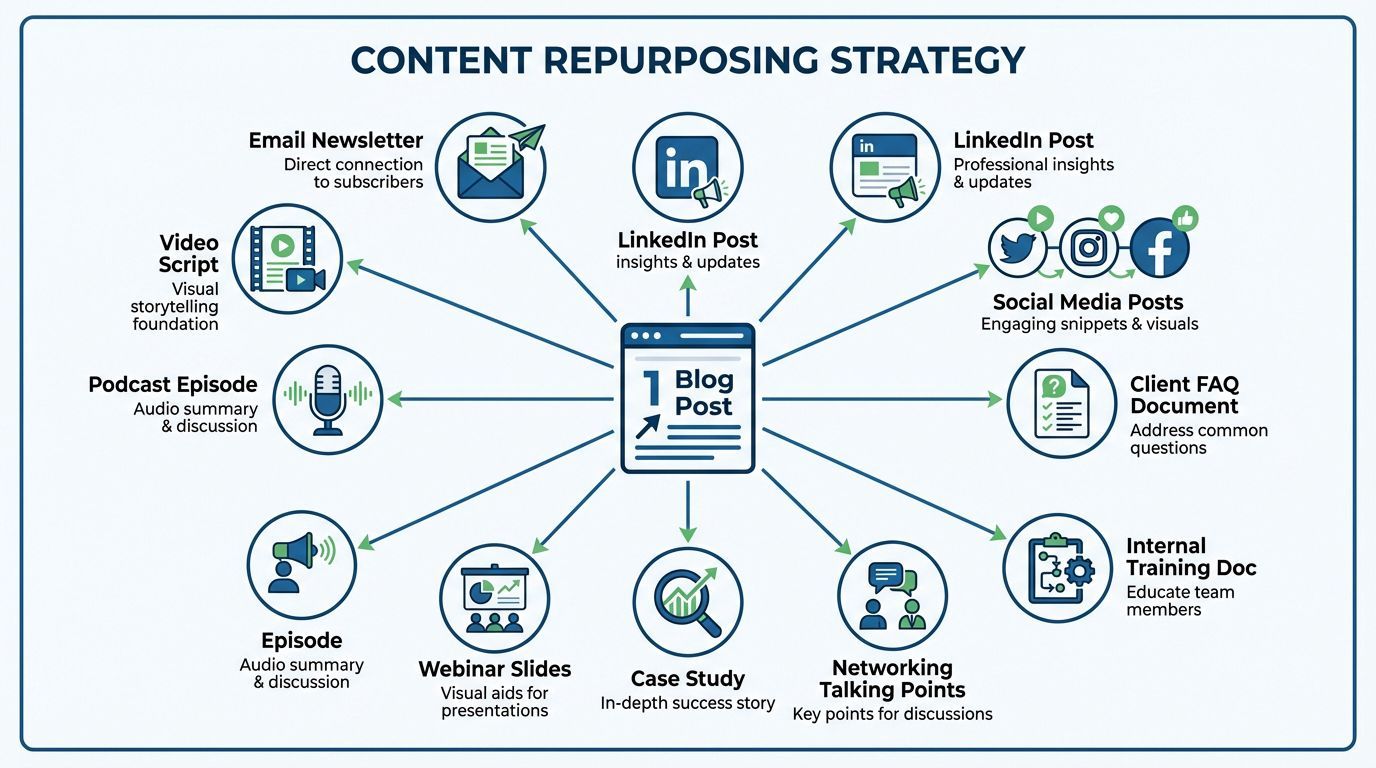
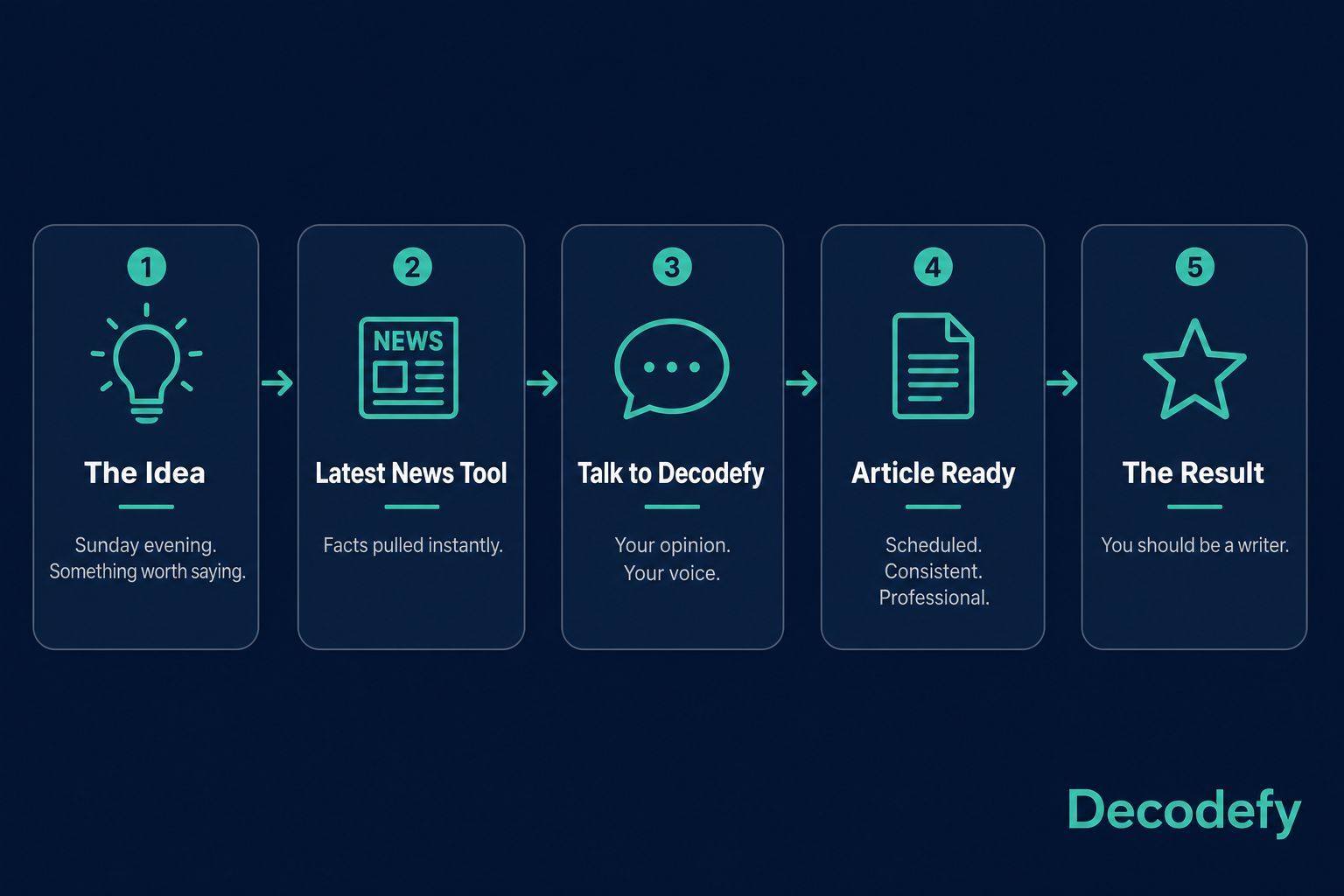
That's what Decodefy does. One focused session to capture how you think, what you know, and how you naturally talk about your work. Then every piece of content - LinkedIn posts, emails, blog posts, whatever you need - comes out sounding like you on your very best day.
Not generic. Not robotic. Not polished to the point where it sounds like it came from a marketing department. Just your expertise, properly expressed.
The 99% are still watching.
Richard and Catherine weren't LinkedIn veterans. They didn't have big followings or years of content strategy behind them. They were small business owners who showed up, said something worth reading, and let the platform do the rest.
The space is open. It's been open for a while.
If you've been sitting on the sidelines waiting until you feel ready - or waiting until you know what to say - that's exactly the problem Decodefy was built to fix.
Book a call and we'll show you what it looks like when your expertise finally gets the audience it deserves.