

April 24, 2026

The design budget for small businesses just got a lot more interesting with the launch of ChatGPT Images 2

Author

Jonathan Young

Share

A tree surgeon in Suffolk. A solicitor in Yorkshire. A financial adviser in Norwich.

Brilliant at what they do. Hopeless at making anything that looks professional online - and not because they're lazy, but because getting decent-looking graphics made has always cost either time or money they didn't really have.


That's been the deal for as long as I can remember. You either pay an agency, cobble something together in Canva and hope it doesn't look like everyone else's Canva template, or you just... don't bother with images at all and write another text post.


Well. Something launched this week that I think changes that quite a bit. Not everything - I'll be honest about where it falls short - but quite a bit.


What actually launched

On 21st April, OpenAI released ChatGPT Images 2.0. 


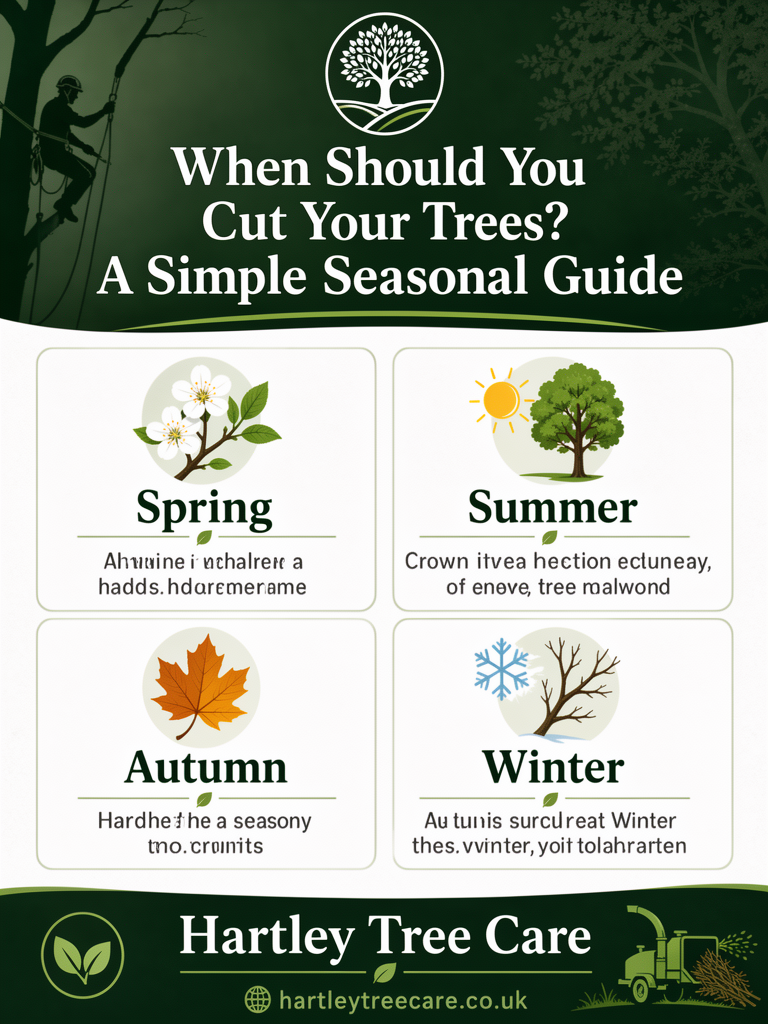
Now if you've tried AI image generation before - maybe a year or two ago - you'll probably remember the text problem. You'd ask it to put a price or a headline on an image and it would come back with something that looked like it was typed by someone who'd never seen a letter before. Words with extra characters stuck in the middle. It was genuinely embarrassing and made it useless for anything commercial. 

AI image creation with bad spelling chatgpt
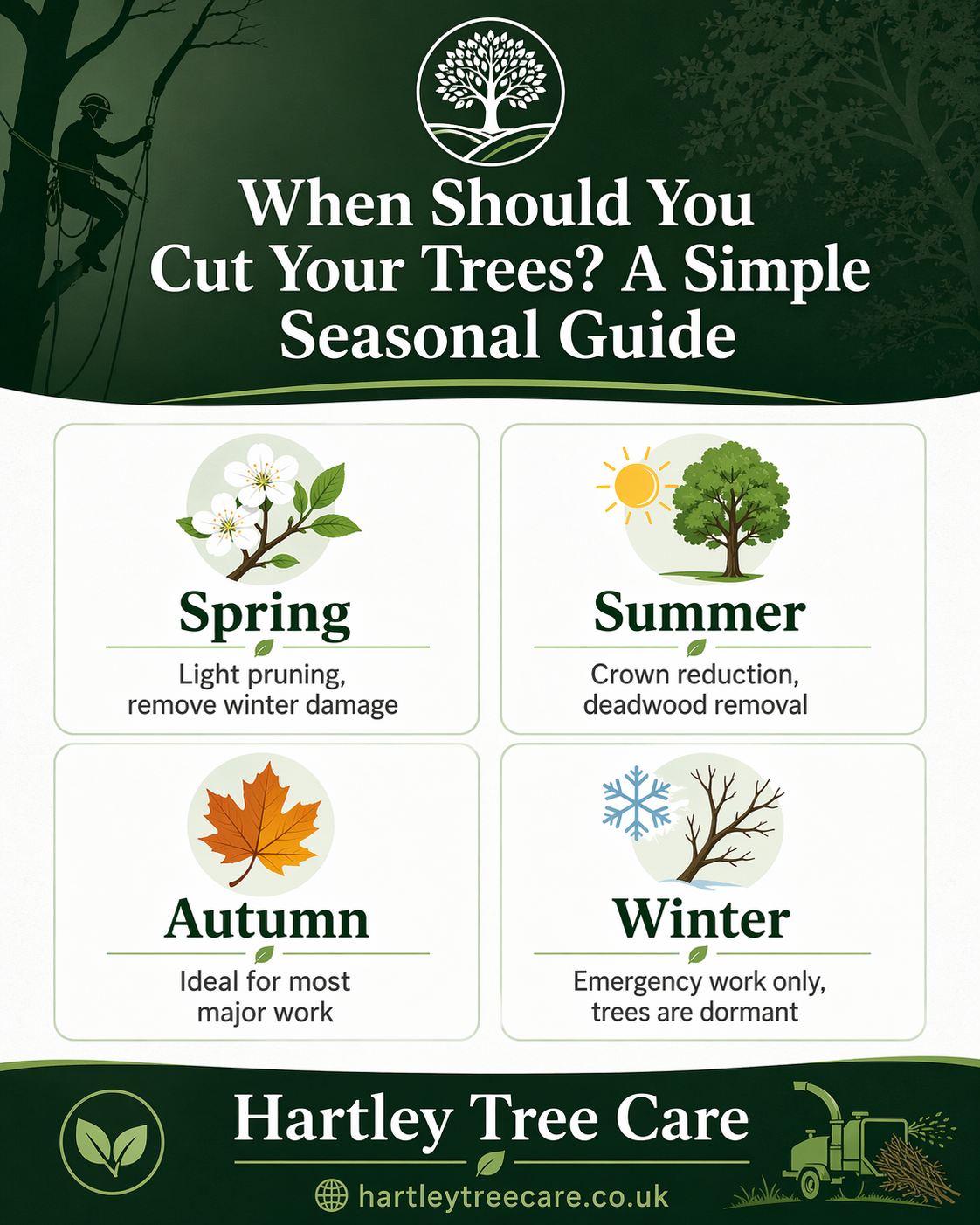
AI image creation in ChatGPT Images 2 with perfect text


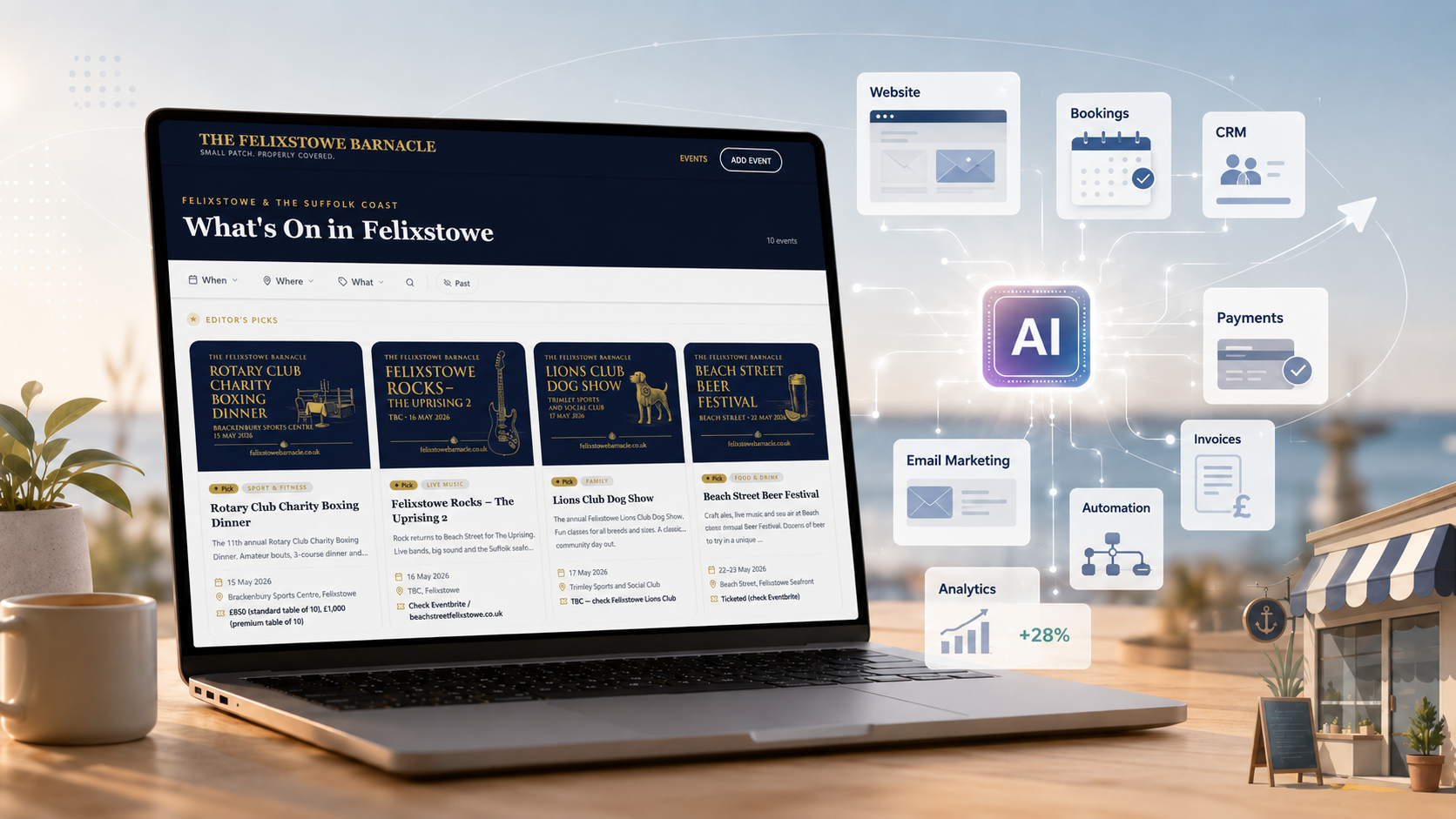
That's mostly fixed now. For English text at least, the rendering is clean. Phone numbers, prices, headlines, calls to action - all come out properly. And that one change, that single thing being sorted, makes this actually useful for a local business for the first time.


Here's what else it does:


  • Images up to 2K resolution
  • Multiple images from a single prompt - so you can get your Facebook post, your Instagram Story, and your LinkedIn header all in one go
  • Multiple aspect ratios. 3:1 wide, 1:3 tall, everything in between
  • It can search the web before generating - so if you want an infographic with current data in it, it can pull that in rather than you having to type it all out
  • Multi-panel content. Carousels. 


OpenAI said it can produce whole magazine layouts. That's probably showing off a bit, but even a fraction of that is genuinely useful.


The bit that matters for a local business

Here's the thing that I keep coming back to. Most small business owners I've worked with over the years - and I've worked with a lot of them - have a really awkward relationship with their visual content.


They know it matters. They know the businesses that look professional online tend to win the quote, even when they're not necessarily the best option. They've seen it happen. A company with half their expertise, charging similar money, gets the work because their Facebook page looks like a real business and theirs looks like it was set up in 2017 and never touched again.


But doing something about it has always felt like it required either money they didn't want to spend - a decent graphic designer for ongoing work can easily run £300-£600 a month, and that's before you've briefed them properly, gone back and forth on revisions, and realised you needed it in three different sizes - or time they genuinely don't have.


So most of them just... didn't.


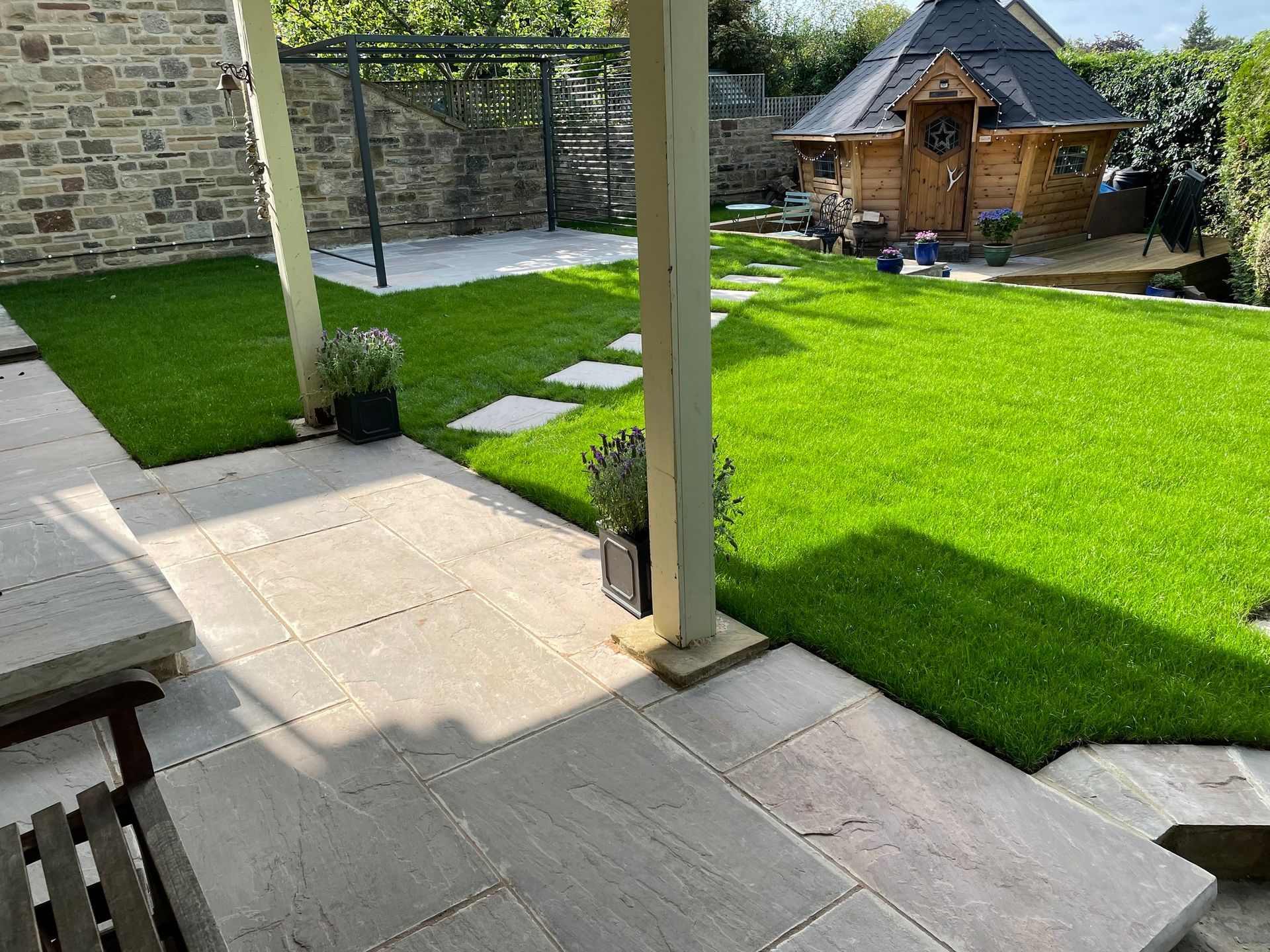
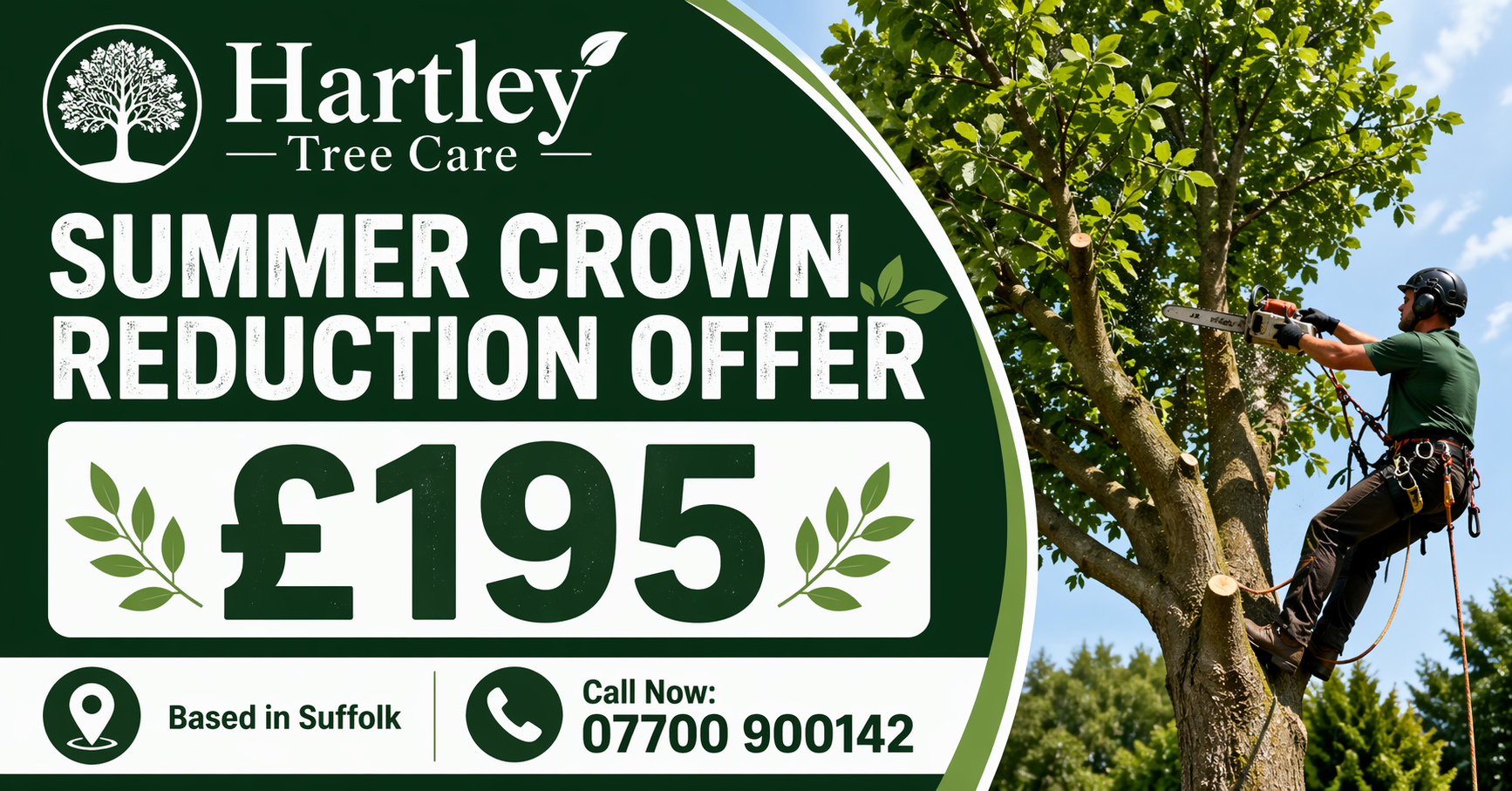
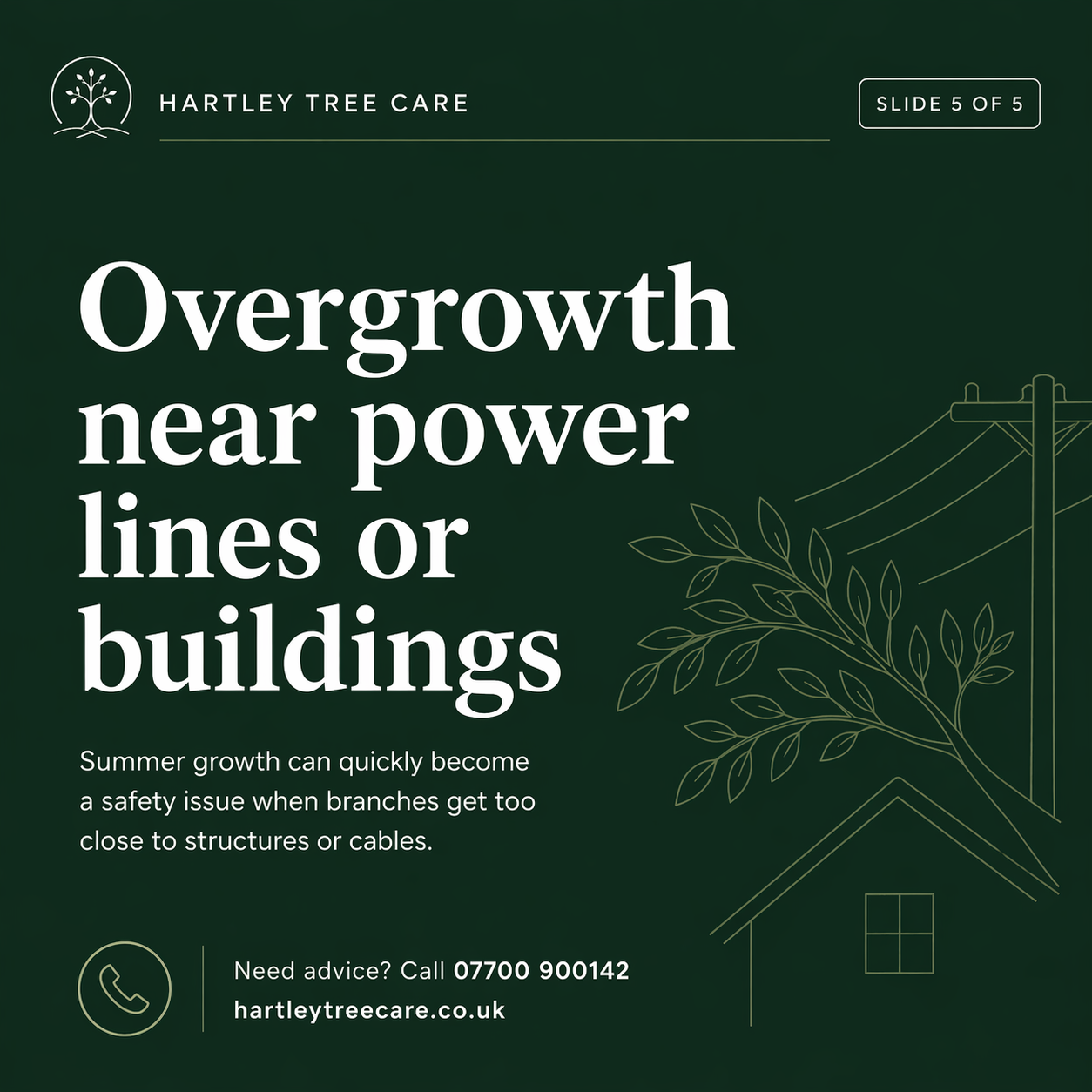
What's changed now is that "describe it in plain English and get something usable back" is actually achievable. A treecare business wanting a summer promotion ad:

AI Image prompt for ChatGPT images 2


And it comes back looking like something made by a human, not a robot having a bad day.

treecare social ad using ChatGPT Images 2

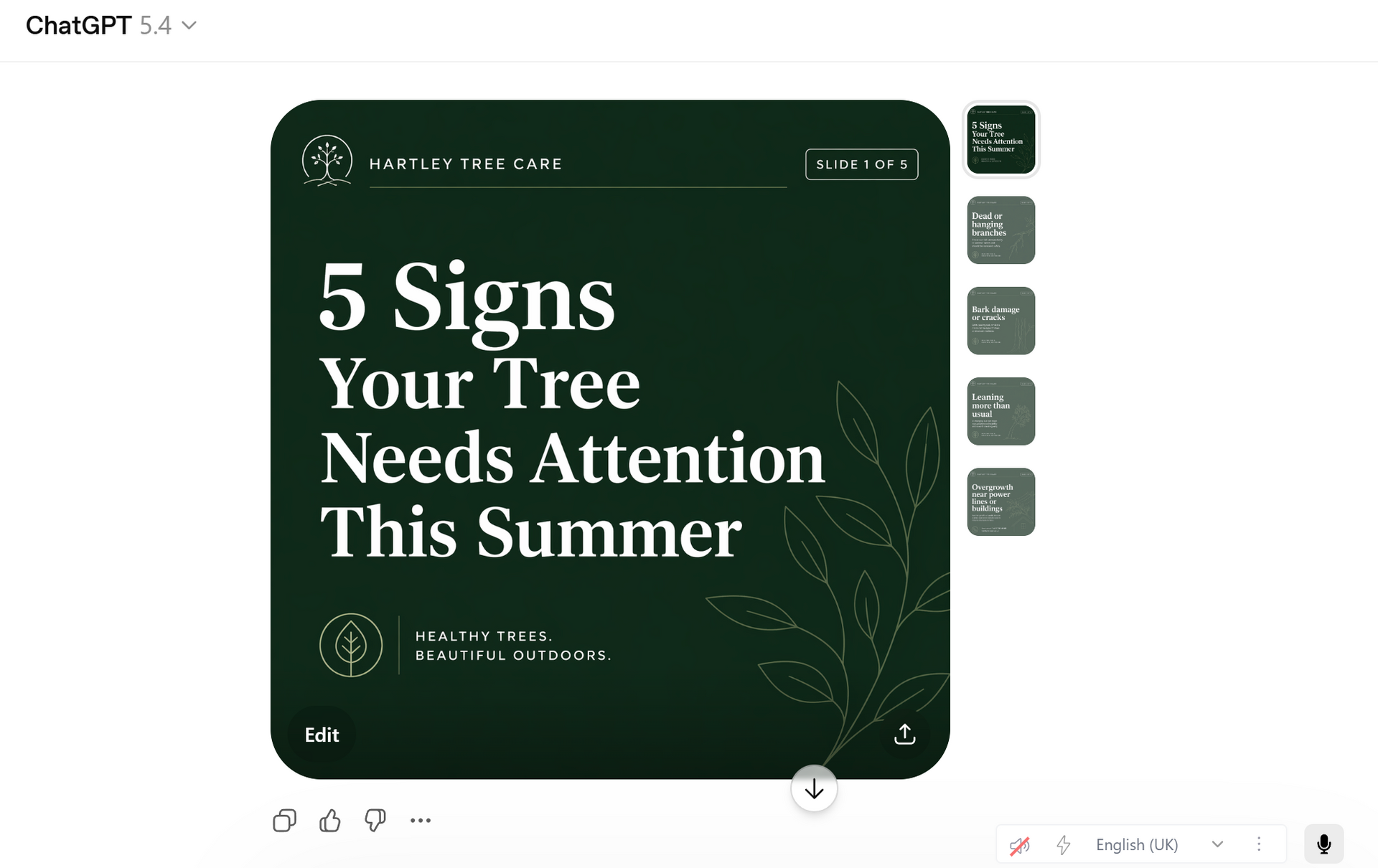
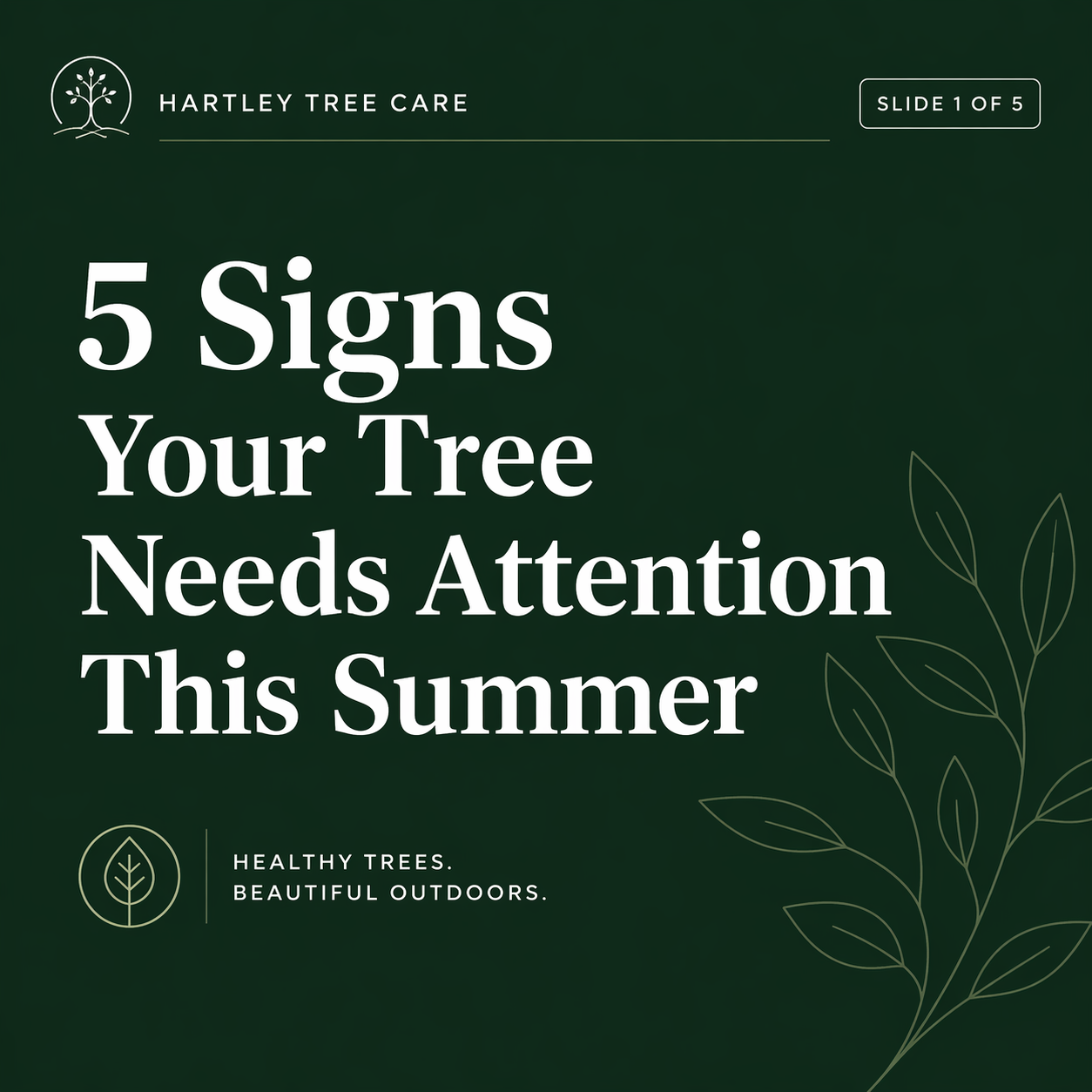
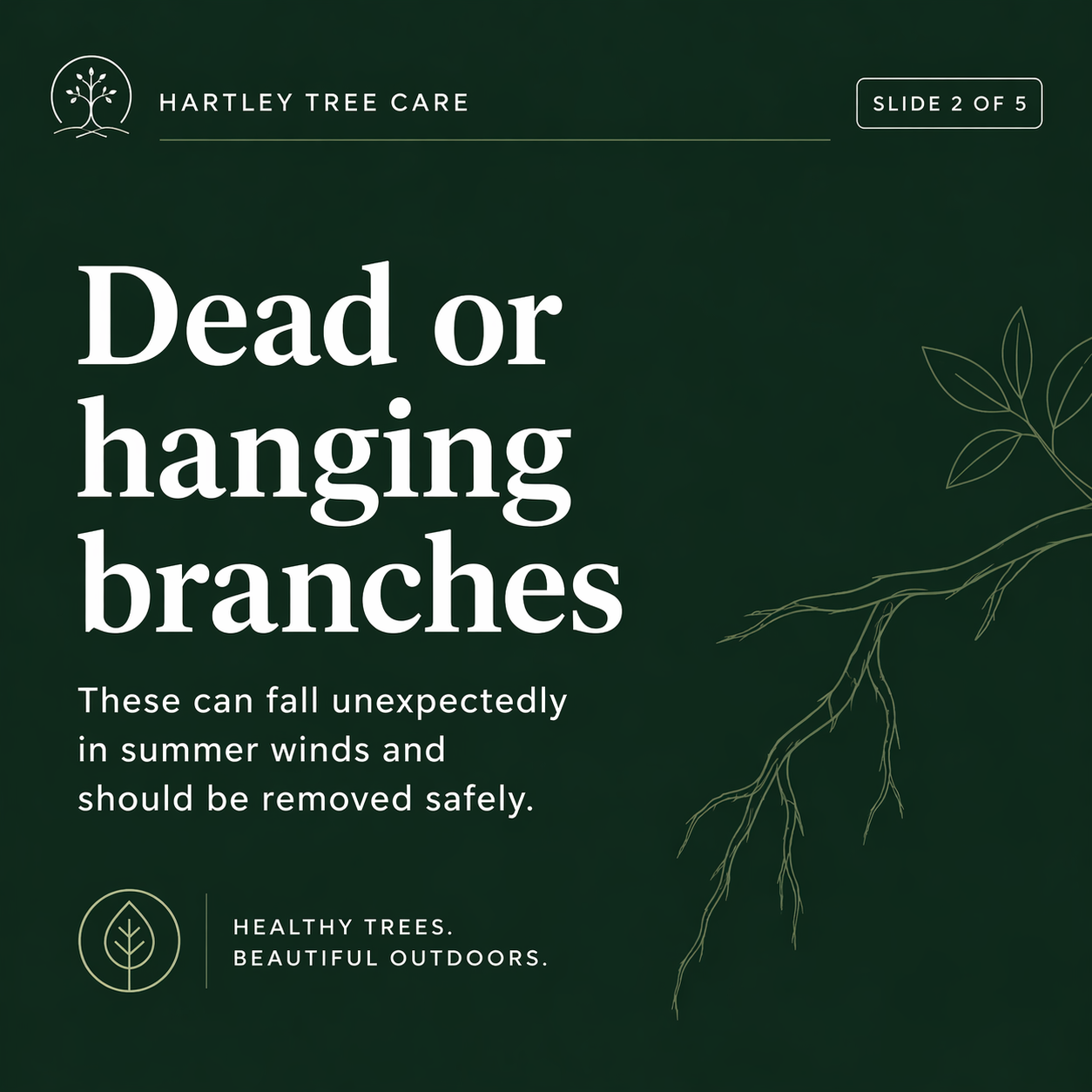
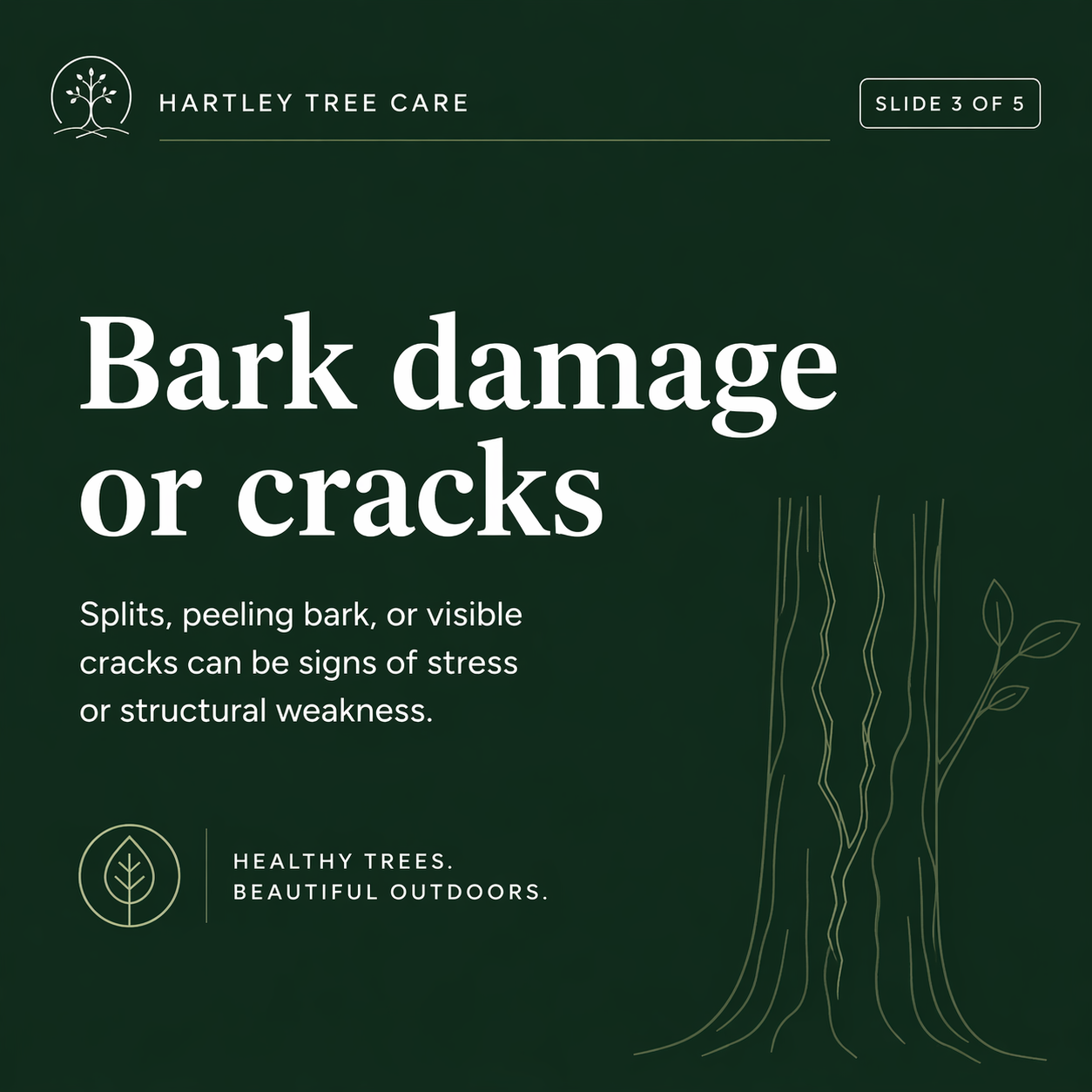
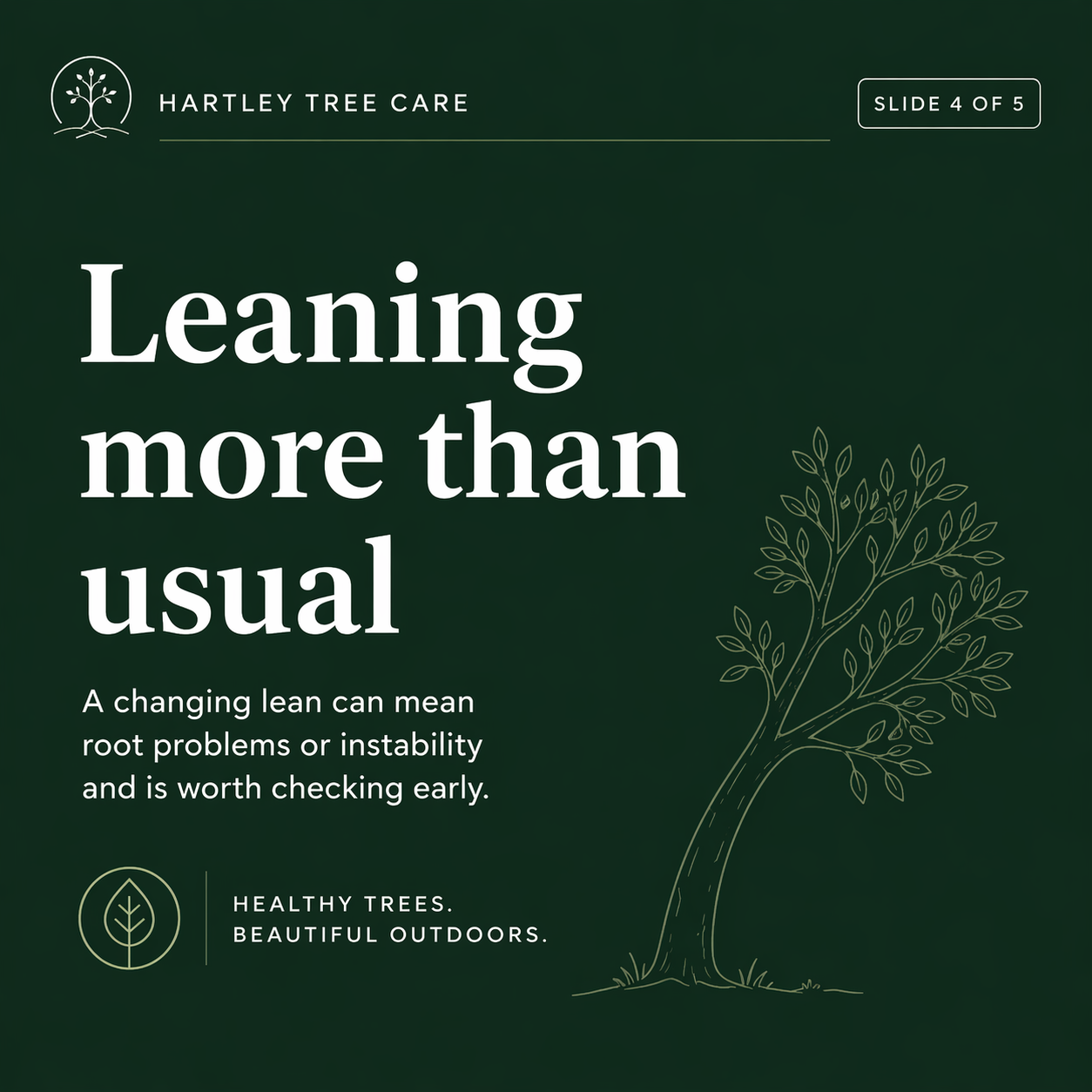
Carousels especially. Instagram and LinkedIn carousels - those multi-slide posts - consistently outperform single images for engagement. But making them properly was always a faff. Now you can ask for all five slides in one go, right sizes, with coherent layout across the whole thing. That's a meaningful change. I don't think people have quite clocked how meaningful yet.

chatgpt images 2 instagram or linkedin carousel 5 slides for treecare business

Where it still lets you down

I said I'd be honest about this so here it is.


Brand consistency is still a bit hit and miss. It doesn't inherently know your colour scheme, your logo preferences, or your aesthetic. You can describe all of it in detail and get reasonably close - and the more specific you are, the better it gets, but it's not the same as a designer who's been working with you for a year and just knows.


You'll need to build a good prompt template and refine it over a few attempts. Worth doing, but worth knowing it takes a bit of work upfront.


The non-English text is still patchy. If you're producing bilingual content or anything with non-Latin characters, the results can still go a bit sideways.  For most UK businesses, that's not an issue, but worth knowing.


And the knowledge cutoff is December 2025  - so anything referencing very recent events or current pricing won't come from its built-in knowledge. You'd need to give it that context yourself, or use the web search feature and check what it pulls back.


For straightforward commercial content, though - which is most of what a local business actually needs - nine times out of ten it'll do the job.


The slightly bigger point

I've been saying this for a while now, but a small business that figures out how to use these tools properly isn't really a small business anymore in terms of what it can put out. Not in headcount. Just in output, in consistency, in how it looks to the people who are deciding whether to pick up the phone.


The businesses that win aren't always the best ones. They're the ones that look like the best ones, consistently, over time, without spending a fortune on it.


That's been unfair for years. It's getting less unfair.


Frequently Asked Questions

  • Q: Do I need a paid ChatGPT subscription to use Images 2.0?

    A: Images 2.0 is available to ChatGPT and Codex users, with more advanced outputs available to paying subscribers. Free tier users can access it, but paid plans unlock higher resolution and more complex generations - for most business use, a paid plan is worth it.

  • Q: Can I use AI-generated images in paid advertising without legal issues?

    A: Generally yes, for images you generate yourself using tools like ChatGPT. That said, it's worth checking the specific terms of whichever platform you use - OpenAI's terms, and your advertising platform's policies, both apply. If you're in a regulated industry, a quick check with your legal adviser wouldn't hurt.

  • Q: How do I get consistent branding across AI-generated images?

    A: The honest answer is it takes some trial and error. The best approach is building a detailed prompt template that specifies your colour palette, tone, and layout preferences - and refining it over time as you learn what works. It's not as reliable as a designer who knows your brand inside out, but it gets more consistent the more specific you are.

  • Q: Is this going to replace graphic designers entirely?

    A: For straightforward, repeatable content - social posts, basic ads, carousels - it changes the economics significantly. For complex, brand-critical work where consistency and craft really matter, a good designer still has an edge. Most local businesses, though, weren't hiring designers for routine social content anyway. This fills that gap.

  • Q: What types of content work best with ChatGPT Images 2.0?

    A: Promotional ads, Instagram and LinkedIn carousels, infographics, quote graphics, service explainers, and seasonal offer posts all tend to work well. Anything where you need clean text, a clear layout, and a professional finish - without needing hyper-specific brand photography or complex custom illustration.

Jonathan Young

Jonathan Young

Jon has spent 20 years helping UK service businesses get their expertise in front of the right people. He built Decodefy because most AI tools write like robots - and his clients deserve better. If you're a small business in Yorkshire or East Anglia, he'll come to you. Find out more about Decodefy...


Empty auditorium with scattered empty seats representing the 1% of LinkedIn users who post regularly
By Jonathan Young April 17, 2026
Only 1% of LinkedIn's 1.3 billion members post regularly. Two of our clients found out what happens when you show up in that space with something worth reading.
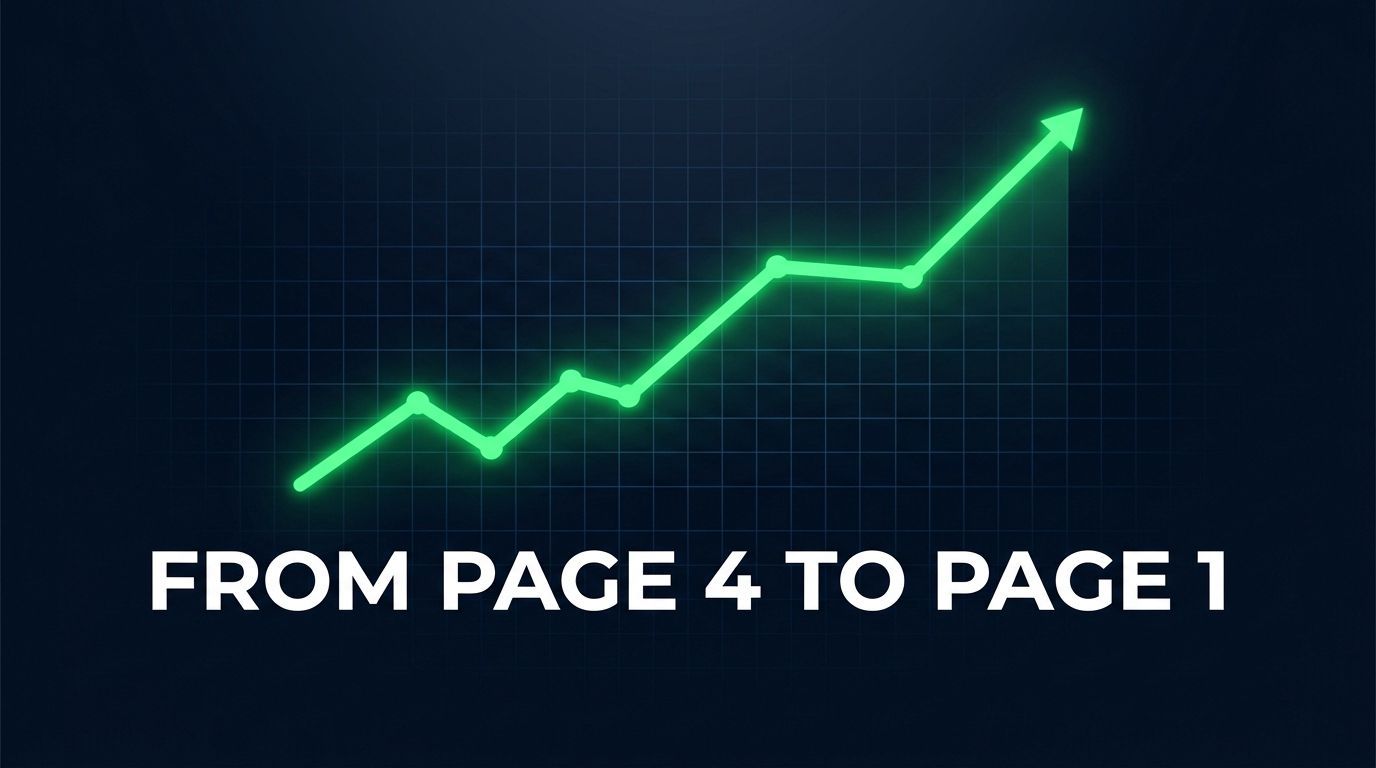
Google Search Console performance chart shows Lemon Cherry's rise from page 4 to 1 in Google Search
By Jonathan Young April 15, 2026
Catherine Lambert knew her subject inside out. She just couldn't talk about it online. Here's what happened when that changed - and what Google Search Console showed us.
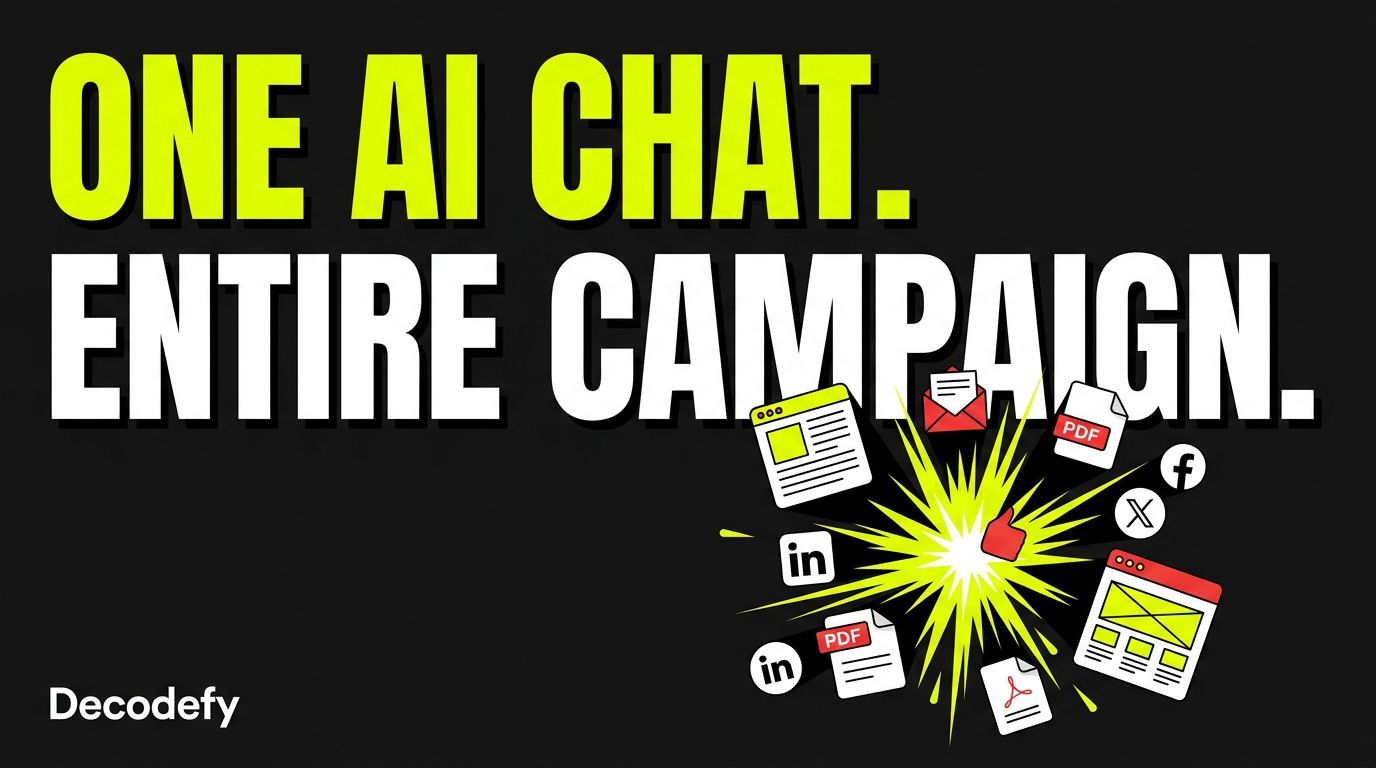
Decodefy AI thumbnail image showin one AI chat and a full campaign with icons for email and linkedin
By Jonathan Young March 24, 2026
One chat. One half-formed idea. What happened next was a complete content campaign - pillar post, email sequence, lead magnet, landing page, and more. Here's exactly what Decodefy did.
Two-panel illustration. Left panel: a man walking a black cocker spaniel. right panel: spaniel meets
By Jonathan Young March 18, 2026
A late night walk. A black cocker spaniel who recognised someone from 50 yards in the dark. And what it revealed about why brilliant UK experts keep losing work to lesser competitors who are better at marketing themselves.
Content repurposing diagram showing one blog post branching into eight different content formats inc
By Jonathan Young February 26, 2026
Most experts resist the content strategy that actually works. Here's why repurposing feels wrong when you're good at something - and why that feeling stops you building real authority.
Aerial view of British town square showing golden light connections between local businesses - accou
By Jonathan Young February 24, 2026
Most expert service businesses are exhausted from posting constantly. Here are four proven pathways to generate quality clients without touching social media.
The machine learning paradox
By Jonathan Young February 9, 2026
Discover why expensive AI upgrades create more artificial content and how UK businesses can maintain an authentic professional voice with advanced AI tools.
ai content templates v business intelligence
By Jonathan Young January 20, 2026
Discover why ChatGPT creates commodity content for UK service businesses and how AEC Fractal Framework™ delivers business-intelligent AI that demonstrates your expertise.
Grand Canyon Postcard December 2025
By Jonathan Young January 14, 2026
Standing at the Grand Canyon taught me why UK businesses are viewing AI like postcards instead of experiencing the transformation. The view from the other side changes everything.
Small business owner using AI tools to compete professionally. David and Goliath
By Jonathan Young December 13, 2025
Discover how AI tools are giving small businesses professional marketing systems that compete with big companies. The expertise advantage is back.